

Acute anti-proliferative and anti-migratory effects of cannabidiol
Acute anti-proliferative and anti-migratory effects of cannabidiol on C6 rat glioma, SH-SY5Y human neuroblastoma, and HT22 mouse hippocampal neuronal cell cultures Source / Quelle: https://www.frontiersin.org/journals/toxicology/articles/10.3389/ftox.2026.1727831/full Abstract Background: The treatment of central nervous system tumors remains challenging owing to their highly proliferative nature, aggressiveness, and poor prognosis. Additionally, existing treatment methods have several problems, including high risk of complications, systemic side effects, and impact on patients’ quality of life. Recently, cannabidiol (CBD), a non-psychoactive cannabinoid found in Cannabis sativa, has emerged as an alternative therapeutic medication because of its potential antitumor activity with fewer side effects. Methods: We evaluated the cell viability, clonogenicity, migration, apoptotic nuclear morphology, and cell cycle phases of C6 rat glioma, SH-SY5Y human neuroblastoma, and HT22 immortalized
7. September 2026

A Comparative Analysis of the Action Mechanisms of Cannabidiol, Cannabigerol, and Cannabinol
A Comparative Analysis of the Action Mechanisms of Cannabidiol, Cannabigerol, and Cannabinol in Human Cholangiocarcinoma Cell Lines Source / Quelle: https://www.mdpi.com/1420-3049/31/14/2446 Abstract Background: Chemoresistance remains a major obstacle in managing cholangiocarcinoma (CCA). The cannabis plant contains several phytocannabinoids, including cannabidiol (CBD), cannabigerol (CBG), and cannabinol (CBN), which exhibit anticancer properties. However, to the best of our knowledge, their effects on CCA have not been previously investigated. This study aimed to explore the molecular mechanisms underlying the anticancer effects of CBD, CBG, and CBN in CCA cells. Methods: KKU-100 and KKU-452 cells were treated with varying concentrations of CBD, CBG, and CBN for 24 and 48 h. Cytotoxicity was assessed using the MTT assay, and half maximal inhibitory concentration (IC50) values were calculated. KKU 452 cells were further analyzed for apoptosis, mitochondrial membrane potential (MMP),
7. September 2026

Use of THC cutoff levels in blood and oral fluid for detecting impairment in frequent cannabis users
The use of THC cutoff levels in blood and oral fluid for detecting impairment in frequent cannabis users who smoked cannabis the “evening before” Source / Quelle: https://link.springer.com/article/10.1007/s00213-026-07129-1 Abstract Rationale Some jurisdictions use blood delta-9-tetrahydrocannabinol (THC) thresholds of 2ng/mL and oral fluid THC thresholds of 25ng/mL for detection of impaired driving. Objectives This study assesses morning-after driving and cognitive performance following evening cannabis use in participants above or below the 2ng/mL blood and 25ng/mL oral-fluid THC thresholds. Methods This observational study included frequent cannabis users (≥ 4 times/week) who smoked their preferred cannabis at home the evening before laboratory testing. At the visit (12–15 h post-use), participants completed driving simulation trials and underwent cognitive testing (verbal free recall and trail making test). Blood and oral fluid samples were collected at the time of testing for cann
1. September 2026
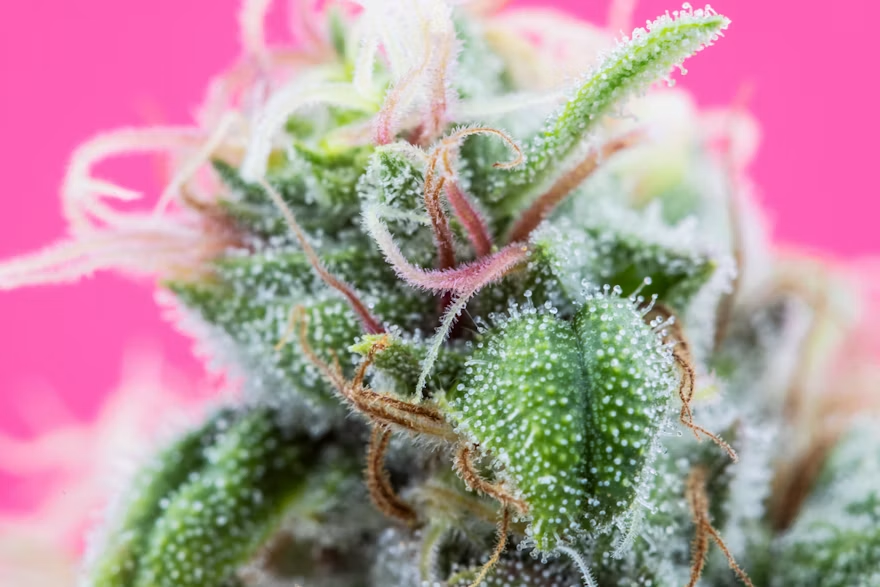
Beyond Terpenes and What The Flavor Labs Don’t Measure
Source / Quelle: https://www.cannabisbusinesstimes.com/top-stories/news/15831904/beyond-terpenes-the-emerging-science-of-cannabis-flavor?utm_source=&pu_ext_id=67070e12472a41ea097314e5 https://www.cannabisbusinesstimes.com/top-stories/news/15833368/the-flavor-labs-dont-measure-what-is-terpene-testing-missing Written by Craig Hartsough and published on Cannabis Business Times. Beyond Terpenes: The Emerging Science of Cannabis Flavor Terpenes are essential to cannabis aroma, but recent research shows flavor depends on far more than terpenes alone. Editor's note: This is Part I of a two-part series. You can read Part II, "The Flavor Labs Don’t Measure: What Is Terpene Testing Missing?" here. Terpenes are at the center of most conversations about cannabis flower tastes. The advent of terpene testing in cannabis was exciting and groundbreaking. Finally, we had a concrete way to describe why flower smells and tastes differently, and how those terpenes steer the “high.” Now that terpene testin
31. August 2026